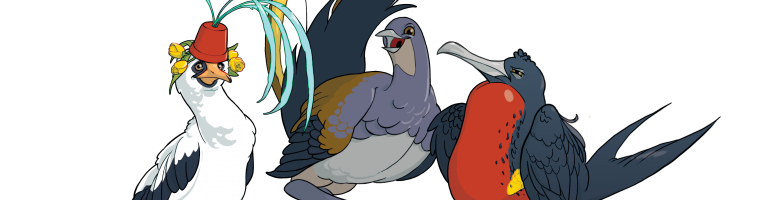
Literary villains, with their unpredictable actions, raise the stakes in most stories, creating surprise and excitement for audiences. Villains give heroes (and many authors) reason to live, giving them something or someone to overcome in the universal battle between good and evil. Villains provide a dark mirror of our weaker selves when we err or fall into temptation. As sources of temptation in cultures where deferred gratification is still a thing, villains are sexy.
The Artful Gluffster has reflected on male villains in literature in a recent post. In this post, let’s talk about female villains.
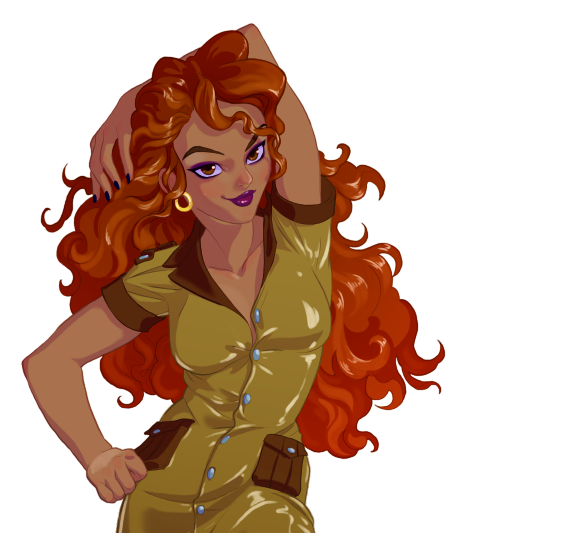
Female villains share some of the sex appeal of their brothers, but they are rarer and have a history of being objects of ambivalence.
There are three popular sources of inspiration for female literary villains commonly used by writers:
(1) archetypes, (2) real female criminals, and (3) females who disguised themselves as males to pull off crimes.
Let’s start with archetypes, those universally understood symbols and prototypes that reappear in myths and legends across different cultures. Evil females have been a source of fascination since humankind first began to repackage fear, surprise, hostility and awe into recurrent archetypes our ancestors could comprehend and, they hoped, manage.
Throughout history, women who have not been submissive have been characterized as evil, while meek and obedient females were considered good. When their defiant ability to disquiet fathers, husbands and brothers couldn’t be managed by mere domination, non-submissive female archetypes were attributed superpowers–and dangerous.
Some scholars believe such archetypes were cultural inventions born of fear and hostility toward women, possibly linked to the mysteries of an unpredictable nature like childbirth.
Jungian psychologists categorize archetypes of women as mothers, queens, huntresses, wise women, mystics and lovers. However many other taxonomies exist. In our search for early female villains, we will look at archetypes of women and girls as powerful members of the ‘Dangerous Sex’. We probably can’t do better than Ishtar, Kali, Hecate, and Lilith. Here’s why.
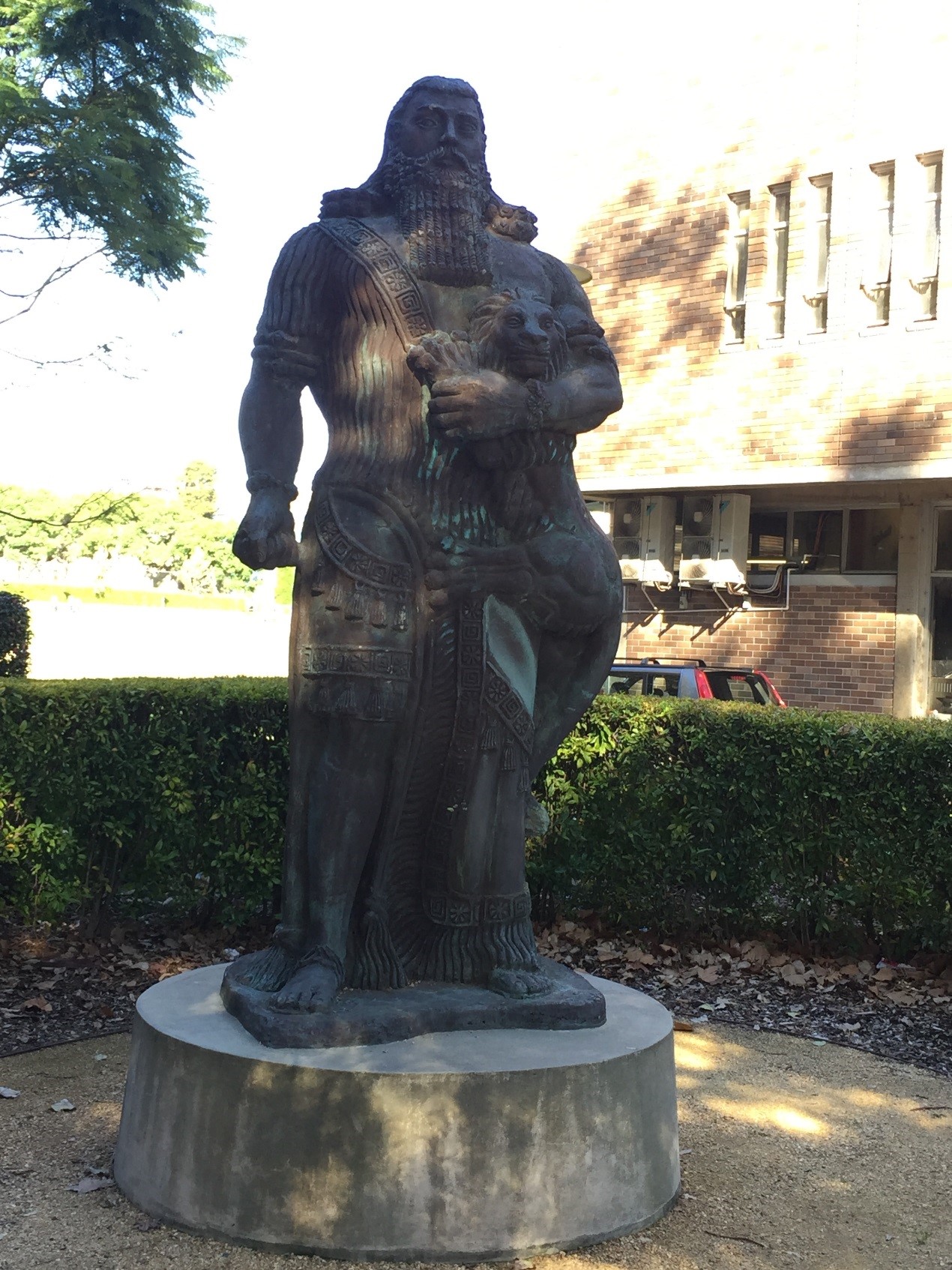
Mythologies of many cultures include goddesses and witches. Supernatural archetypes are usually viewed as capable of both good and evil. This duality probably reflects a perception of women in many cultures that is both positive and negative, as sources of life and as maternal guardians and guides. It also suggests awareness of the corrupting temptations of wealth, power and sex, and the unpredictability of nature. Goddesses are often associated with both the ‘tomb and the womb’, as the source of life and a guide on the path that ends in mortality. Pretty serious subjects, no?
There are too many examples to list here, so we will focus on a few powerful female archetypes who have been particularly popular, popping up in stories and artworks like mushrooms after a rain. Such characters have been with us for a long time, populating oral tradition and filling clay tablets with great stories and dialogue. One of the earliest sources of female archetypes was the Babylonian collection of epic poetry, The Epic of Gilgamesh.
This collection of poems, dating from around 1000 BCE, is a rich source of female archetypes, giving us not only the warrior goddess Ishtar, but also maternal and spiritual guides in the form of the priestess and temple prostitute, Shamhat, and the tavern-keeper, Shiduri.
Gilgamesh gives us a fine female literary villain in the creator-destroyer goddess, Ishtar. Her attempts to seduce King Gilgamesh simmer deliciously through dialogue like the following: “Marry me, give me your luscious fruits, / be my husband, be my sweet man. / I will give you abundance beyond your dreams.”
For those unfamiliar with the complicated and racy plot, Gilgamesh is tempted by Ishtar’s offer, but eventually demurs on the grounds that it might be fun at first but, given the trail of corpses that were once Ishtar’s husbands, could get unpleasant later. Ishtar takes pride of place as story-tellers’ first recorded temptress goddess.
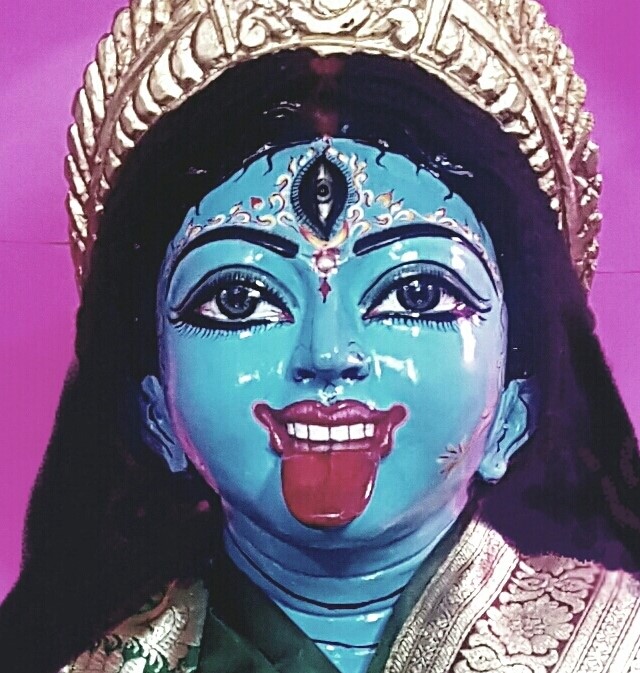
There are many other female archetypes we might consider, but let’s look at a few who have been notably popular in literary works and films. For example, Kali is one of the most dire of Hindu goddesses. Her blue skin and necklace of skulls could be the stuff of kids’ nighttime terrors. Her duality is evident when she hunts down and kills demons to protect the innocent. Kali can also rampage out of control, with lethal impact. She was associated with the inevitability of human morality. Her name was translated as “the fullness of time” and “the changing aspect of nature that brings things to life or death” . She was created by a patriarchal culture that viewed ideal women as submissive but was in fearful awe of the unpredictable inevitability of death.
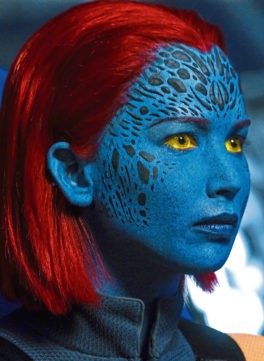
Bloodthirsty, uncontrollable, and female, Kali represented nature at its most untamed and fearsome. For story-tellers of the present as well as the past, Kali was pretty irresistible stuff. Her stuck-out blood-red tongue became a pop icon when it inspired the logo on a 1970 Rolling Stones album. An evil cult of Kali-worshippers also appeared in “Indiana Jones and the Temple of Doom”. Kali may well have inspired the creation of Mystique in X-Men films from 2011-2019
How do archetypes feature in modern family entertainment? Do modern youth audiences view these characters the same way as the (admittedly not numerous) readers of Gilgamesh probably did? The challenges archetypes face are timeless. Indeed, timelessness defines archetypes and their challenges. But have archetypes evolved?
Scarlet Swindle in The Great Brassmonkey Bay Jewel Robbery, for example, is easily the most ruthless of the book series’ three villains, Scarlet, Sammy Snatch, and Caspar Hustle. Scarlet shares her ruthlessness (by exploiting vulnerable animals) and her seductiveness (in erotically manipulating both Sammy and Caspar) with female archetypes like Lilith and Ishtar. A future post will talk about Scarlet in more detail.
In Brassmonkey Bay, however, all the villains are also caricatures, as their names suggest. This exposes their behaviors and attitudes to humor for younger readers and ridicule for older ones. As a series written for family entertainment, the Magic Island Gang books are intended to be relevant to readers of different ages. With even very young audiences becoming increasingly sophisticated, comic and film superheroes of today have very often become comedians–as the characters, male and female, in ‘Deadpool’, ‘Aquaman’, ‘Ironman’, ‘Thor’, and many other comics and films demonstrate.
Check back for more Artful Gluffster posts on what makes literary villains modern.
 The Artful Gluffster