
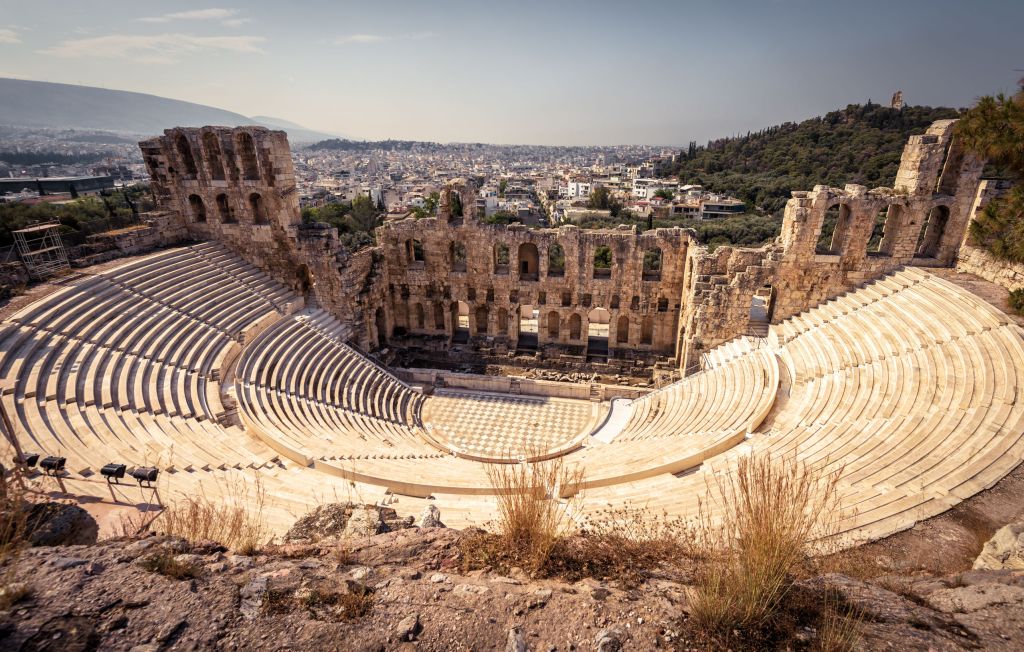
Are ancient literary classics still relevant at a time when some fiction works are being written on smart phones? Should young readers and writers continue to study the structure, characters, and plot of narratives written centuries ago? If so, why?
British Literary Agent Julian Friedmann thinks we should. His recent Ted Talk ‘The Mystery of Storytelling’ distills his (…well, and Aristotle’s!) ideas about what makes a successful theatrical script into a few memorable messages. He argues these are as relevant now as they were when Aristotle lived and wrote (384-322 BCE).
According to Aristotle’s trinity of essential qualities, to be successful and satisfying to audiences, a theatrical performance has to evoke pity for the hero, fear of the escalating threats he or she faces, and finally catharsis when the threat is resolved.
Blockbuster novels and films have the same demands. The structure of The Great Brassmonkey Bay Jewel Robbery, an adventure story for young readers, was based on a script structure that adheres to this formula. The twin heroes, Pax and Pip, are separated for the first time in their lives when Pip is involved in an accident at the Zoo where the twins work. When she fails to recover as expected, the twins and their family are terrified that all their dreams for the future will collapse. Pax fears he will have to face life’s great challenges alone.
The story is successful if we care enough about Pip and Pax to pity them and fear they may not be able to transcend their challenges. I won’t reveal the resolution as it risks spoiling any potential catharsis, but Friedmann’s talk is a fascinating and worthwhile reminder of why Greek tragedies have always seemed timeless to me despite centuries of change.
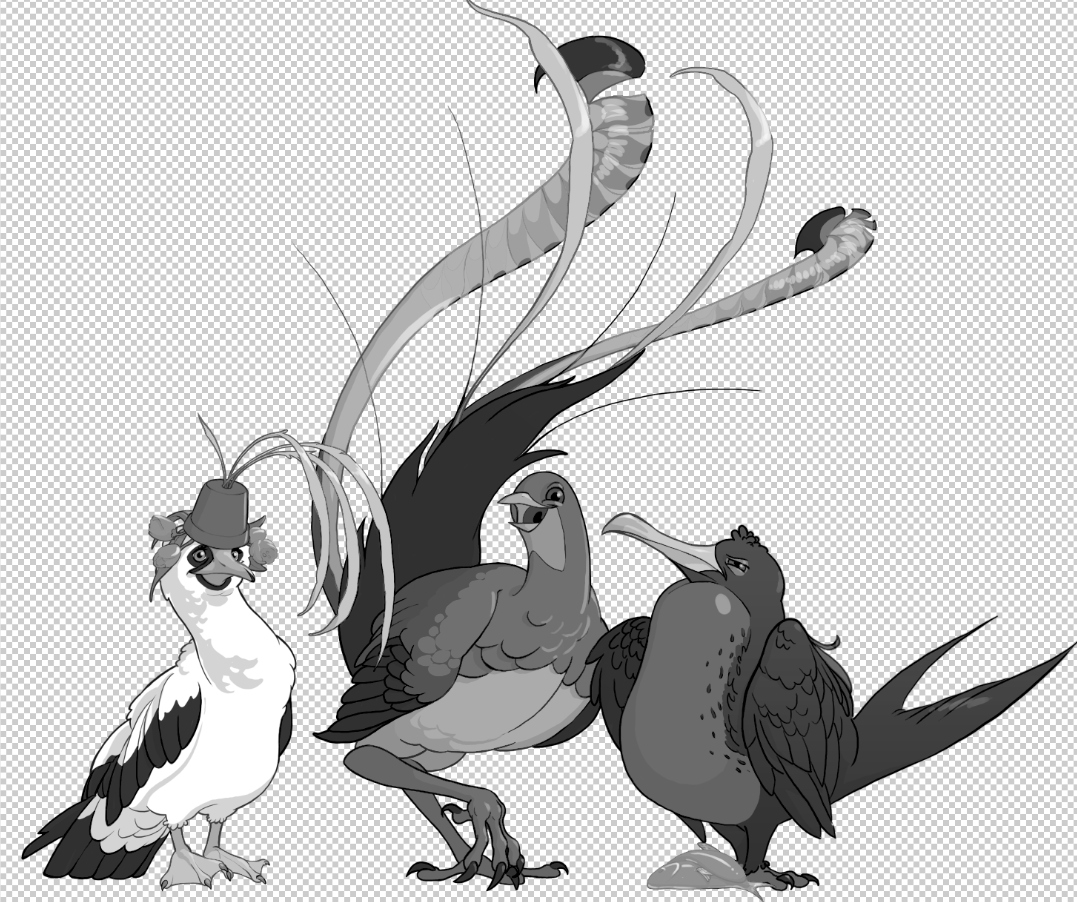
It also reminded me that I even included in the story a trio of avian narrators modelled on the Greek Chorus in the story! I modernized their role into fact-checkers. The job of a Greek chorus was to describe and comment on the action in a play, often through dance and song. Fact-checkers try to make audiences believe narratives are true.
Click on at link below for Friedmann’s concise insights into why writers write, what works, how British films differ from American ones, and why the best-performing theatrical stories are visual and, regardless of culture (or the sneers of critics), generally sentimental. I hope you enjoy it as much as I did: ‘The mystery of storytelling’ : Julian Friedmann at TEDxEaling – YouTube https://youtu.be/al3-Kl4BDUQ
On the subject of structure, a future blog post will review the use of nested narratives. The technique not only applies but also multiplies Aristotle’s formula, repeating and reflecting the emotional journeys of the characters for the audience like a walk through a house of mirrors.
 The Artful Gluffster