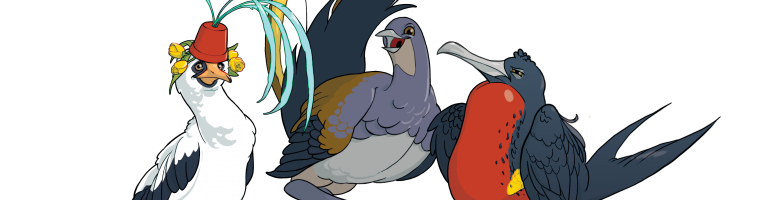
I started writing a book that became The Great Brassmonkey Bay Jewel Robbery in 2007. When it was published in 2020, I dedicated it to my brother, Ken, and to young readers who had a tough year in 2019-2020, whom many called the Lockdown Generation. This is part of the story of why I wrote the book and dedicated it as I did.
When I left full-time employment after twenty years with Australia’s multidisciplinary scientific research organization, CSIRO, my mortgage was paid off and a modest income secured with training consultancies. I was free for the first time in my life to fulfill my dream of being a writer. But what should I write, I wondered? There were so many stories I had wanted to tell for years.
After a few false starts, I decided on a youth fantasy. I knew I needed to radically change the communication skills I had practiced for 20 years. The nonfiction commercial and scientific writing I did as a science publisher and marketer had trained me to focus more on accuracy than creativity. Youth fantasy would stretch muscles unused since university creative writing classes years earlier, I thought, and such a modest hurdle would be mastered quickly.
Right off, that should tell you how little I really knew about writing fiction!
I went through some of the earliest of the 41 journals I have written since I was sixteen years old, looking for the story ideas I had with uncharacteristic prescience cached in them for just such an occasion. I found a narrative I had drafted in my 20s. It was based on one of the curiously cinematic dreams I used to have in those days, concerning a robbery so ingenious that I remember waking up snorting in laughter. While I had the rough nugget of a story, I won’t say I had a plan.
What I did have were some aspirations I wanted to address as a writer. One of these dated from a writers’ festival I attended in 1999. A YA author whose presentation I had signed up for took a question from the audience. Why did he choose to write bleak dystopic fiction for young readers? He answered frankly, “It sells.” And after a pause, “We can’t sugar coat what’s happening.” I experienced a jolt of concern at his words. He was referring to exposing very young readers to the adrenalin rush of terrifying environmental disasters largely caused and often ignored by adults. It seemed to me more a violation of hope more than provision of equipment for the future.
In that moment, I decided writers had a profound responsibility to their audiences, and none more so than when their readers are young. Providing thrills for money is one of the world’s oldest professions. It need not be irresponsible or harmful, but when the audience is young, it can easily become both.
There are moral obligations in all professions, but I had grown up with a mother who was sadly abused as a child, so I knew youthful trauma is often an enduring and painful legacy. I decided anything I wrote—if true to a worthwhile story—would be hopeful, a quest for solutions. That at least seemed a legacy one could exercise some control over. These notions were enough to start me writing.
Writing the first draft of The Great Brassmonkey Bay Jewel Robbery was great fun, a self-indulgent romp during which I set no boundaries on my characters or what they could do, feel, achieve, and impact. Or, for that matter, their species. Why not make my characters animals? After all, I was fascinated by the audacious cockatoos, cheeky possums, delightful fairy penguins, pensive water dragons and exuberant dolphins I had watched while living near beaches on two sides of the Pacific Ocean.
During those years, I had often mentally assigned many of my animal visitors personalities, imagined among them dialogue and conflicts, flirtations, and turf wars. I felt surrounded by a charismatic troupe of potential heroes. As my suburbs I lived in attracted development, however, I had also watched the numbers of my heroes decline. In my characters’ evident vulnerability, I had an urgent plot theme: their survival on a changing planet.
A family illness displaced other priorities for years, so it wasn’t until the 2020 COVID-19 pandemic with its strict lockdown conditions began robbing young people of many of their most important life experiences that I began rewriting my initial draft in earnest. I looked at the plot with different eyes. All around me were stories of my intended youthful audience, of cancelled proms and graduations, of college courses that had to be attended online, and of relationships that developed despite that most disappointing of matchmakers, ZOOM.

I was impressed by the resilience of many young people who posted often hilarious videos about how to get through long periods of isolation. At the heart of many of those posts was creative good humor and a whatever-it-takes attitude to keeping in touch with friends. Those qualities seemed essential to keeping up the spirits of the film makers. I wanted to capture those attitudes and voices in my characters and narrative that might speak to readers and their families.
So I added to my troupe of characters the teenage twins, Pip and Pax. In a future post, I’ll write about nested narratives, how and why writers might consider a plot structure that positions one hero’s journey within another.
But first, here is my first author’s reading to introduce the twin Zookeepers, Pax and Pip, to The Great Brassmonkey Bay Jewel Robbery.
 The Artful Gluffster